The ocean data acquisition system continues to be upgraded, providing strong support for ocean monit
In recent years, with the continuous advancement of marine resource development and utilization as well as ecological protection efforts, the role of marine data acquisition systems in marine monitoring has become increasingly prominent. As an important technical means for obtaining basic marine information, marine data acquisition systems are being widely applied in various fields such as marine environmental observation, resource survey, disaster warning, and scientific research analysis.
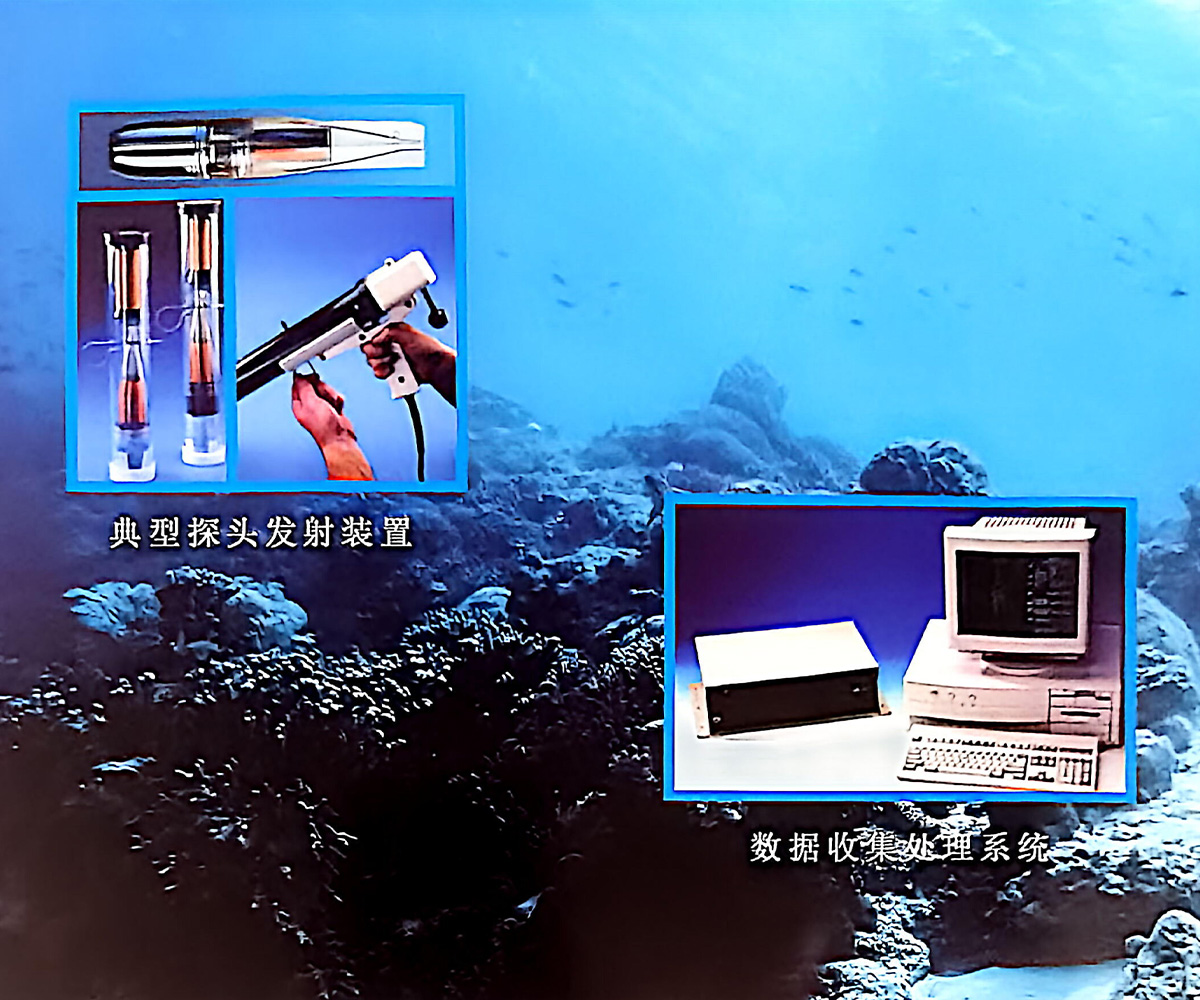
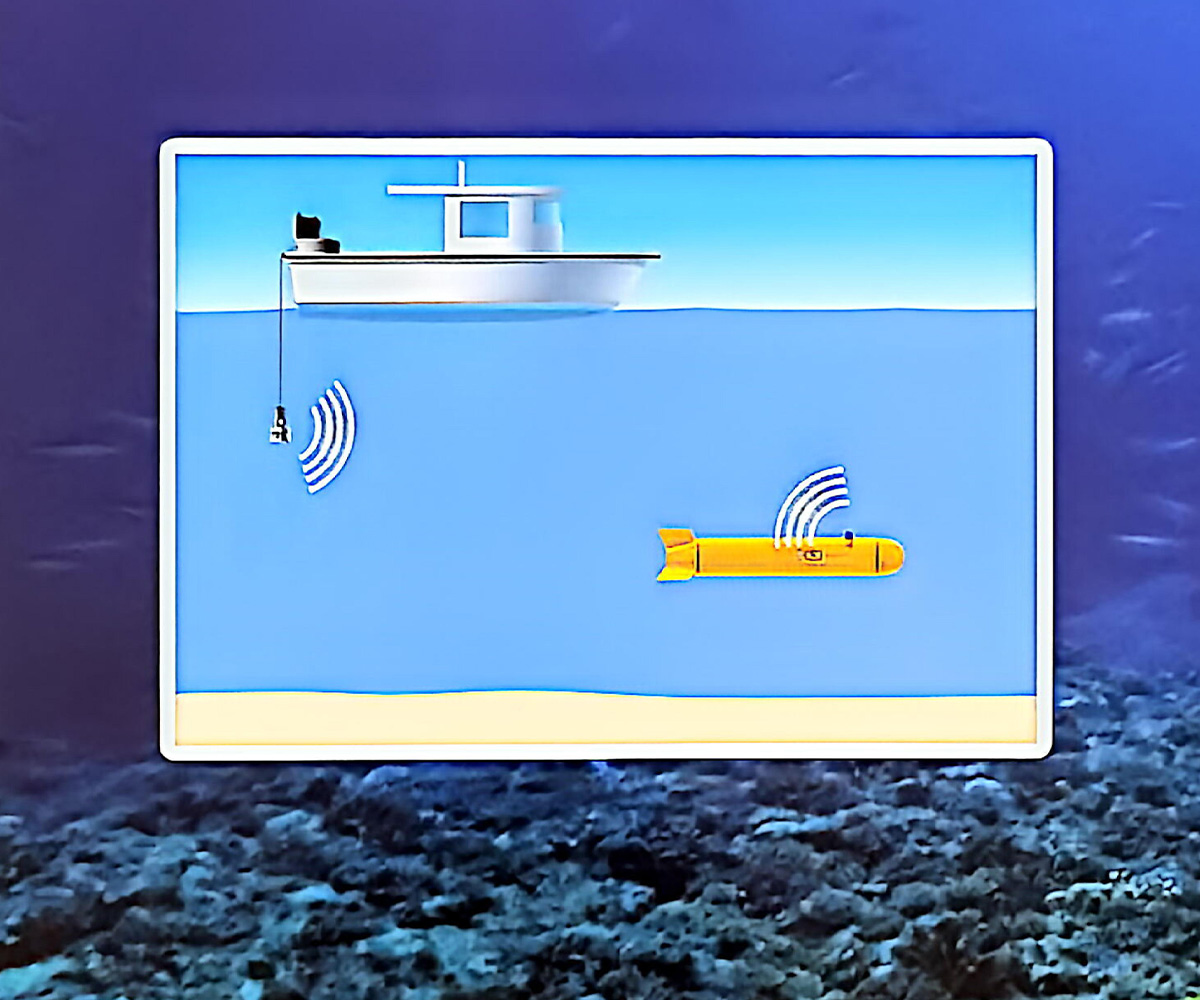
The ocean data acquisition system primarily collects and transmits real-time data on seawater temperature, salinity, flow velocity, tide level, water quality, and meteorology through sensors, buoys, monitoring stations, and communication equipment. Compared to traditional manual collection methods, such systems exhibit strong continuity, wide coverage, and high data accuracy, enabling them to reflect changes in the marine environment in a more timely and precise manner.
In practical applications, marine data acquisition systems not only provide a wealth of basic data for marine scientific research but also offer crucial support for fisheries production, port management, marine ecological protection, disaster prevention and mitigation, and other related tasks. Especially during the monitoring of marine disasters such as typhoons and storm surges, data acquisition systems can play a role in early warning and assisting decision-making, enhancing the ability of relevant departments to respond to emergencies.
Industry insiders indicate that with the continuous development of information technology and smart devices, ocean data collection systems are undergoing continuous upgrades towards automation, intelligence, and networking. In the future, such systems will play a more significant role in enhancing the comprehensive management level of the ocean, promoting marine economic development, and ensuring marine ecological safety.